50GB
30 days
$29.07
We use cookies to make our site work and, with your consent, to measure performance and personalise content. Essential cookies are always on. You can change your preferences at any time.

Instant eSIM · No roaming bills
Browse and compare eSIM data plans for South Korea
An eSIM for South Korea is a digital SIM you install by scanning a QR code, no physical SIM required. eSIM.site compares 24 South Korea data plans from 2 providers, starting at $2.02. Plans activate instantly, connect to local networks with no roaming fees, and can be installed before you travel and switched on the moment you arrive. Use the plan comparison table below to sort all 24 plans side by side by price, data allowance, validity, or price per GB.
Most South Korea eSIM plans are data-only, so your regular phone number stays active on your physical SIM card for calls and texts. Install your eSIM over Wi-Fi before you fly, then switch it on when you land. If anything goes wrong, our customer support team is ready to help before, during and after your trip.
| Buy | |||||||||
|---|---|---|---|---|---|---|---|---|---|
|
50GB Data 30 Days
Local eSIM · 3G/4G/5G
Trending
|
50 GB | 30 days | — | — | 3G/4G/5G | Yes | $0.58 | $29.07 | Buy |
|
20GB Data 30 Days
Local eSIM · 3G/4G/5G
Best value
|
20 GB | 30 days | — | — | 3G/4G/5G | Yes | $0.74 | $14.82 | Buy |
|
10GB Data 30 Days
Local eSIM · 3G/4G/5G
Best value
|
10 GB | 30 days | — | — | 3G/4G/5G | Yes | $0.92 | $9.15 | Buy |
|
100MB Data 7 Days
Local eSIM · 3G/4G/5G
|
100 MB | 7 days | — | — | 3G/4G/5G | Yes | $20.68 | $2.02 | Buy |
|
500MB/Day
Local eSIM · 3G/4G/5G
|
500 MB | 1 days | — | — | 3G/4G/5G | — | $4.46 | $2.18 | Buy |
|
500MB Data 7 Days
Local eSIM · 3G/4G/5G
|
500 MB | 7 days | — | — | 3G/4G/5G | Yes | $4.46 | $2.18 | Buy |
|
1GB Data 7 Days
Local eSIM · 3G/4G/5G
|
1 GB | 7 days | — | — | 3G/4G/5G | Yes | $2.67 | $2.67 | Buy |
|
1GB/Day
Local eSIM · 3G/4G/5G
|
1 GB | 1 days | — | — | 3G/4G/5G | Yes | $2.83 | $2.83 | Buy |
|
2GB/Day
Local eSIM · 3G/4G/5G
|
2 GB | 1 days | — | — | 3G/4G/5G | Yes | $1.94 | $3.88 | Buy |
|
3GB/Day
Local eSIM · 3G/4G/5G
|
3 GB | 1 days | — | — | 3G/4G/5G | Yes | $1.34 | $4.03 | Buy |
|
3GB Data 15 Days
Local eSIM · 3G/4G/5G
|
3 GB | 15 days | — | — | 3G/4G/5G | Yes | $1.43 | $4.29 | Buy |
|
3GB Data 30 Days
Local eSIM · 3G/4G/5G
|
3 GB | 30 days | — | — | 3G/4G/5G | Yes | $1.48 | $4.45 | Buy |
|
5GB Data 30 Days
Local eSIM · 3G/4G/5G
|
5 GB | 30 days | — | — | 3G/4G/5G | Yes | $1.18 | $5.91 | Buy |
|
5GB/Day
Local eSIM · 3G/4G/5G
|
5 GB | 1 days | — | — | 3G/4G/5G | Yes | $1.30 | $6.52 | Buy |
|
Republic of Korea eSIM Unlimited Data 1 Day
Local eSIM · 5G
|
Unlimited | 1 days | — | — | 5G | Yes | — | $7.07 | Buy |
|
10GB/Day
Local eSIM · 3G/4G/5G
|
10 GB | 1 days | — | — | 3G/4G/5G | Yes | $0.94 | $9.37 | Buy |
|
Republic of Korea eSIM 2GB Data 15 Days
Local eSIM · 5G
|
2 GB | 15 days | — | — | 5G | Yes | $5.16 | $10.31 | Buy |
|
Republic of Korea eSIM Unlimited Data 3 Days
Local eSIM · 5G
|
Unlimited | 3 days | — | — | 5G | Yes | — | $16.32 | Buy |
|
Republic of Korea eSIM Unlimited Data 5 Days
Local eSIM · 5G
|
Unlimited | 5 days | — | — | 5G | Yes | — | $25.57 | Buy |
|
Republic of Korea eSIM Unlimited Data 7 Days
Local eSIM · 5G
|
Unlimited | 7 days | — | — | 5G | Yes | — | $34.82 | Buy |
|
Republic of Korea eSIM Unlimited Data 10 Days
Local eSIM · 5G
|
Unlimited | 10 days | — | — | 5G | Yes | — | $48.68 | Buy |
|
Republic of Korea eSIM Unlimited Data 15 Days
Local eSIM · 5G
|
Unlimited | 15 days | — | — | 5G | Yes | — | $71.81 | Buy |
|
Republic of Korea eSIM Unlimited Data 30 Days
Local eSIM · 5G
|
Unlimited | 30 days | — | — | 5G | Yes | — | $141.16 | Buy |
|
Republic of Korea eSIM 100GB Data 30 Days
Local eSIM · 5G
|
100 GB | 30 days | — | — | 5G | Yes | $1.87 | $187.40 | Buy |
Swipe the table sideways to see every column.
Live prices, last checked .
Multi-country plans that include South Korea: one eSIM, many destinations.
1. Choose a Plan
Compare plans from multiple providers and pick the best one for your trip.
2. Install via QR Code
Scan the QR code from your email or account dashboard to install instantly.
3. Connect on Arrival
Turn on your eSIM when you land. Get online in seconds with no roaming fees.
Apple
iPhone 18 Pro Max, iPhone 18 Pro, iPhone Duo, iPhone Air, iPhone 17 Pro Max, iPhone 17 Pro, iPhone 17, iPhone 17e
Samsung
Galaxy S26 Ultra, Galaxy S26+, Galaxy S26 FE, Galaxy S26, Galaxy S25 Ultra, Galaxy S25 Slim, Galaxy S25 Edge, Galaxy S25+
Pixel 11 Pro XL, Pixel 11 Pro Fold, Pixel 11 Pro, Pixel 11, Pixel 10 Pro XL, Pixel 10 Pro Fold, Pixel 10 Pro, Pixel 10a
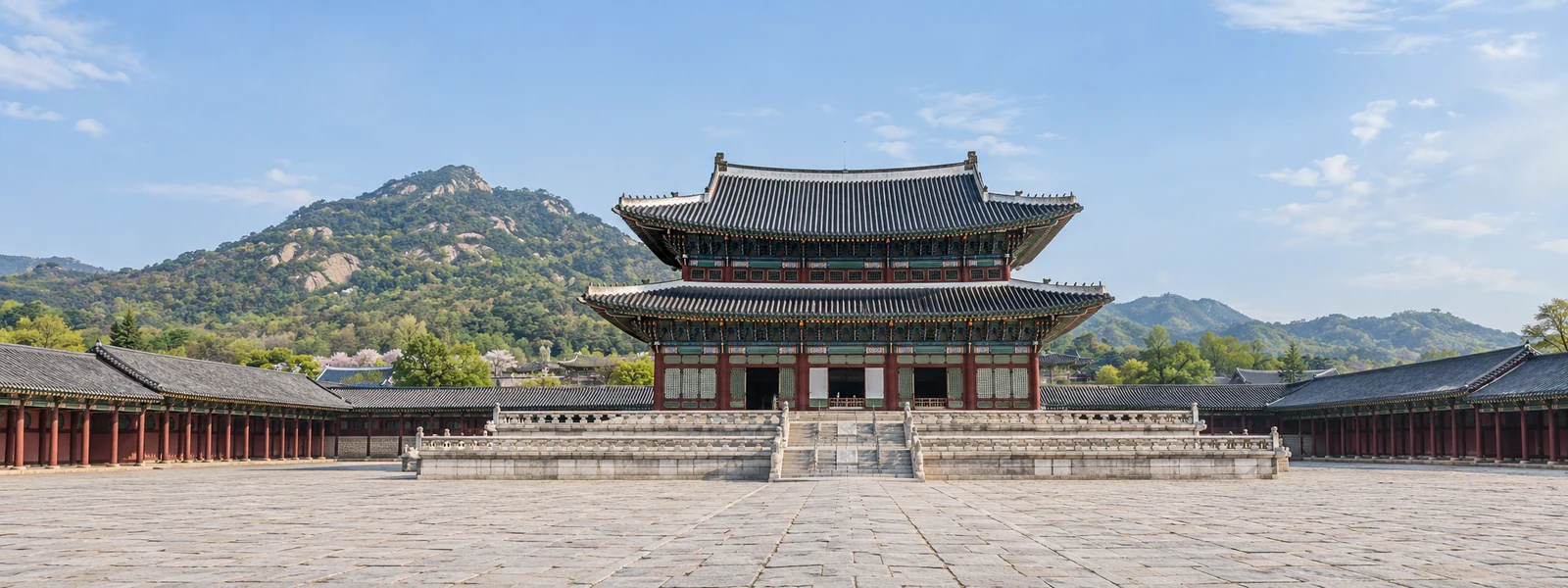
South Korea pairs ultra-modern cities like Seoul and Busan with mountain temples, volcanic islands and a bullet-train network that makes day trips easy, which is why most first-time visitors plan seven to ten days and still leave a list for next time.
The country runs on some of the fastest mobile networks in the world, and daily life here from restaurant ordering to subway transfers assumes you're online, so a working data connection matters more in South Korea than in most destinations.
Cash is fading fast, QR codes appear on menus and transit gates, and apps like Naver Map and KakaoT are far more useful than Google Maps once you arrive. A South Korea eSIM solves the connectivity question before you even board your flight.
| Capital | Seoul |
| Currency | South Korean won (KRW) |
| Official language | Korean |
| Plug type | Type C and F, 220V |
| Driving side | Right |
| Dialling code | +82 |
| Time zone | Korea Standard Time (UTC+9), no daylight saving |
The capital deserves at least three or four days: palaces like Gyeongbokgung, the hanok village of Bukchon, shopping in Myeongdong and Hongdae's nightlife all sit within reach of an extensive subway system.
South Korea's second city has beach culture at Haeundae, the sprawling Jagalchi fish market and the terraced, colourful Gamcheon Culture Village; two to three days is a good pace.
A volcanic island reached by short domestic flight or ferry, Jeju offers hiking on Hallasan, lava tube caves and coastal drives; plan three days minimum, more if you rent a car.
An open-air museum of a city, former capital of the Silla dynasty, packed with royal tombs, Bulguksa Temple and Seokguram Grotto; a full day trip from Busan or an overnight stay works well.
Known for its hanok village and as the birthplace of bibimbap, Jeonju rewards a slow one or two day visit focused on food and traditional architecture.
A half-day or full-day tour from Seoul into the buffer zone with North Korea is one of the most talked-about excursions in the country; book through a licensed tour operator in advance.
For serious hikers, Seoraksan's granite peaks and autumn foliage justify a two-day trip from Seoul, ideally with an overnight near Sokcho.
Incheon International Airport (ICN) handles most international arrivals, with Gimpo, Busan's Gimhae and Jeju International Airport covering domestic and some regional international routes. Inside the country, the KTX high-speed rail network connects Seoul to Busan in under three hours and links most major cities; book through the Korail app or website.
Intercity buses fill gaps the KTX doesn't reach, often cheaper and just as comfortable, while Seoul, Busan and other cities run dense subway systems that take a rechargeable T-money card. Domestic flights and ferries make sense for Jeju and smaller islands.
KakaoT is the dominant app for taxis, and Naver Map or Kakao Map are essential since Google Maps has limited data for South Korea; all of these need a live mobile data connection to work properly, which is where having an eSIM for South Korea active from arrival saves real friction.
Spring (April to May) and autumn (September to November) are the best times to visit, with mild temperatures, cherry blossoms in spring and foliage in autumn drawing the biggest crowds to Seoul and national parks.
Summer (June to August) brings heat, humidity and a monsoon season with heavy rain, especially in July; it's also peak season for domestic travel to Jeju and beach towns.
Winter (December to February) is cold, particularly in the north and inland, but ski resorts around Pyeongchang and Gangwon Province draw visitors, and Seoul's palaces look striking under snow. Major festivals worth planning around include the Busan International Film Festival in October and cherry blossom festivals in early April.
Card payments and tap-to-pay are accepted almost everywhere in South Korea, from convenience stores to street food stalls in many cities, though carrying some cash helps for small markets or rural areas; ATMs are widely available but not all accept foreign cards, so look for ones marked "Global" or at 7-Eleven and post offices. Tipping is not customary and can occasionally cause confusion if offered.
South Korea is one of the safer countries for travelers, with low rates of violent crime, though standard precautions around belongings still apply. Dress modestly when visiting temples, remove shoes when entering traditional accommodation or some restaurants with floor seating, and use both hands when giving or receiving items as a sign of respect.
The nationwide emergency number is 112 for police and 119 for fire and ambulance.
The major national networks in South Korea deliver strong 4G and 5G coverage across virtually all cities, towns and the KTX rail corridors, making mobile internet in South Korea reliable even by international standards.
Rural mountain areas and some remote islands may see reduced 5G signal, but 4G generally holds up.
Free Wi-Fi is common in cafes, subway stations and accommodation, but it's inconsistent for real-time needs like navigation or ride-hailing, so most travelers find a dedicated data connection far less frustrating than hunting for hotspots.
Roaming through your home carrier in South Korea is usually the most expensive option and sometimes throttled or capped, while hunting down a physical SIM at Incheon means queueing, paperwork and a new phone number you'll have to give out and then discard. A South Korea eSIM installs before you leave home, activates automatically on arrival, and keeps your original number active on your primary line for calls and texts through dual-SIM functionality.
Check two things before buying: that your phone is eSIM compatible (most phones from the last four or five years are) and that it's carrier-unlocked. The plans listed on this page vary by data allowance and validity period, so match the plan to your trip length.
A short weekend needs less than a two-week tour of Seoul, Busan and Jeju with heavy map and translation app use; some plans also offer top-ups if you run long, which is worth checking against a local SIM card's fixed allowance.
For a typical week combining navigation, translation apps, ride-hailing and social media, 5-10GB comfortably covers most travelers, though heavy streaming or video calls will need more.
Most South Korea eSIM plans support hotspot or tethering, which is useful for sharing a connection between a phone and a laptop or with a travel companion; check the specific plan details before buying.
Coverage from the major national networks reaches most of South Korea including hiking trails in parks like Seoraksan, though signal can weaken in deep valleys or on remote islands, so download offline maps as backup.
Many South Korea data plans allow top-ups directly through the provider's app or website without needing a new eSIM installation, so check whether your chosen plan supports this before your trip.
Check your phone's settings under Mobile/Cellular Data for an option to "Add eSIM", or search your exact model plus "eSIM compatible"; the phone must also be carrier-unlocked to install a third-party eSIM.
Last updated: October 15, 2026